The cultural impact of casinos on modern society
Historical Overview of Casinos
Casinos have been part of human culture for centuries, with their origins traced back to ancient civilizations. The first known gambling establishments appeared in China, where games of chance were used for entertainment and social interaction. Over time, these venues evolved, spreading to Europe during the Renaissance and paving the way for the modern casino. The establishment of the first official casino in Venice in the 17th century marked a significant milestone, influencing gambling culture across the continent. Today, enthusiasts can easily access platforms like cosmo bets casino, which continue this tradition in the digital realm.
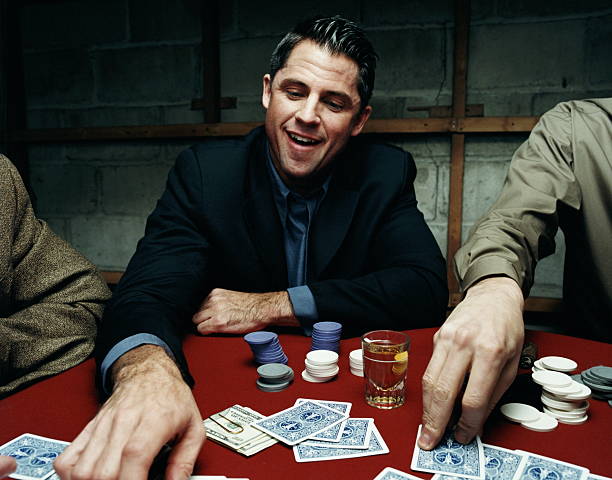
As societies industrialized, casinos adapted to the changing economic landscape, becoming not just places of gambling but centers of social interaction and cultural expression. The glamour of Las Vegas in the mid-20th century represented a turning point, where casinos began to intertwine with entertainment, drawing millions of visitors for their vibrant atmosphere. This shift has led to a proliferation of casinos worldwide, each reflecting the unique cultural tapestry of its location.
In the contemporary era, casinos serve more than just a gaming purpose; they have transformed into complex entertainment hubs, incorporating shows, fine dining, and shopping experiences. Their cultural impact extends beyond the thrill of gambling, influencing fashion, music, and even language, as phrases and styles associated with casinos seep into popular culture. This evolution illustrates how deeply intertwined casinos have become with modern societal norms and values.
The Psychological Effects of Gambling
The psychology of gambling plays a pivotal role in understanding the cultural impact of casinos. For many, engaging in gambling activities is a form of escapism, offering an adrenaline rush and the allure of possible financial gain. This psychological aspect can lead to both positive experiences, such as exhilaration and social bonding, and negative consequences, such as addiction and financial distress. The thrill of uncertainty is a significant draw, creating a compelling narrative that keeps players returning.
Moreover, the design of casinos often capitalizes on psychological principles, utilizing colors, lights, and sounds to enhance the gaming experience. Elements such as the absence of clocks and windows create an environment where time becomes irrelevant, encouraging prolonged engagement. This manipulation of perception raises ethical concerns, as it can lead individuals to gamble more than they initially intended, contributing to addictive behaviors.
The cultural narrative surrounding gambling also shapes individual perceptions and attitudes. In many societies, gambling is romanticized in films, literature, and music, portraying it as a glamorous lifestyle. This glamorization can mask the potential harms associated with gambling, leading to a societal acceptance that can trivialize addiction and its consequences. Understanding these psychological dynamics is crucial to addressing the broader cultural implications of casinos in modern society.
Economic Impacts of Casinos
Casinos are significant economic engines for many communities, generating jobs, attracting tourism, and contributing to local and national economies. The presence of a casino can stimulate surrounding businesses, from restaurants to hotels, creating a ripple effect that enhances economic vitality. For regions where traditional industries have declined, casinos can provide a much-needed economic boost, often serving as a lifeline for struggling towns.
However, the economic impact of casinos is not universally positive. The influx of gambling establishments can lead to social issues, including increased crime and addiction rates. Furthermore, the benefits may not be evenly distributed, as profits often flow to corporate entities rather than the local communities directly affected. This disparity raises questions about the sustainability of casino-driven economies and their long-term implications for local cultures.
In addition to direct economic contributions, casinos influence government revenues through taxation. Many jurisdictions rely on gambling taxes to fund public services, but this dependency can create challenges when economic downturns affect gambling revenues. The fluctuating nature of casino profitability poses risks for communities that become reliant on this source of income, highlighting the need for balanced and diversified economic strategies.
Social and Cultural Dynamics
Casinos are unique social environments that foster interactions across diverse demographics. They often serve as melting pots, where individuals from different backgrounds come together, providing opportunities for socializing and community bonding. This interaction can help break down social barriers, creating a sense of shared experience among patrons, regardless of their economic or cultural status.
However, the culture of casinos can also reinforce stereotypes and stigmas associated with gambling. While some view gambling as a harmless pastime, others perceive it as a vice, leading to social divides. This dichotomy can spark debates about morality and responsibility, influencing public policy and shaping community attitudes toward gambling. The portrayal of casinos in popular media often complicates these perceptions, intertwining glamour with the darker sides of gambling.
Additionally, casinos often sponsor cultural events and activities, further embedding themselves into the social fabric of their communities. This sponsorship can enhance local cultural scenes, promoting art, music, and culinary experiences. However, it also raises questions about the extent to which casino culture can overshadow or dominate local traditions, leading to a homogenization of cultural expressions influenced by the gambling industry.
Modern Trends and Online Gambling
As technology evolves, so does the landscape of gambling, with online casinos gaining prominence. The convenience of online gambling platforms allows individuals to engage in gaming from the comfort of their homes, broadening the reach of casino culture beyond physical locations. This shift has created new opportunities for social interaction, with online forums and communities emerging around shared interests in gaming.
However, the rise of online casinos also presents unique challenges, particularly concerning regulation and responsible gambling. The accessibility of online gambling can lead to increased addiction rates, as individuals may find it easier to gamble without the social checks typically present in physical venues. This transformation necessitates a reevaluation of how society addresses gambling addiction, as well as the ethical responsibilities of online gambling platforms.
Moreover, the online gambling industry has begun to incorporate elements from traditional casinos, such as live dealer games and virtual reality experiences. This blending of experiences enriches the cultural tapestry of gambling, appealing to a broader audience and reflecting changing societal norms. The future of casino culture will likely continue to evolve as technology advances, shaping how individuals perceive and engage with gambling in modern society.

Conclusion and the Role of Cosmobet
In summary, the cultural impact of casinos on modern society is profound and multifaceted. From their historical roots to their psychological, economic, and social implications, casinos continue to shape individual experiences and broader cultural narratives. Understanding these dynamics is essential for navigating the complexities of gambling in today’s world.
As online gambling platforms like Cosmobet emerge, they transform how individuals interact with casino culture, providing new avenues for entertainment while emphasizing the importance of responsible gaming. Cosmobet strives to offer a secure and engaging environment for players, ensuring that the excitement of gaming is accompanied by a commitment to user safety and support.